Insights · 9 min read · 02 Jun 2026
The CFO's Guide to Employee Recognition ROI
By Neon Visuals · Gifting Experts

To a finance leader, "employee recognition" can sound like a line item begging to be cut. It's discretionary, hard to measure, and easy to defer. But that instinct gets the maths backwards. Recognition is one of the few people-spend categories with a clear, modellable return — if you frame it correctly.
Here's the CFO-friendly case.
Start with the cost of the alternative
The real comparison for recognition spend isn't "this gift vs. no gift." It's "this gift vs. the cost of losing the person."
Replacing an employee is expensive. Between recruiting fees, manager and team time, onboarding, and the months of reduced productivity while a new hire ramps, the fully-loaded cost of replacing a mid-level employee routinely runs into several months of their salary. For a skilled role, that's lakhs of rupees per departure.
Now compare that to the cost of a thoughtful recognition program: a few hundred to a few thousand rupees per employee per year. The asymmetry is enormous.
The simple ROI model
You can build the business case on one page:
- Annual recognition spend per employee — e.g., ₹3,000.
- Replacement cost of one employee — conservatively, several lakhs.
- Baseline attrition rate — your current voluntary turnover.
- Expected reduction — recognition programs are repeatedly linked to lower turnover; even a modest improvement moves real money.
If a recognition program costing a few lakhs across the company prevents even a handful of resignations, it pays for itself many times over. The break-even is almost embarrassingly low.
Why this isn't wishful thinking
The link between feeling valued and staying is one of the most consistent findings in workplace research. Recognised employees report dramatically higher loyalty and engagement; disengaged employees are a measurable drag on productivity. Gallup-style research has long tied engagement to performance outcomes that finance teams care about: productivity, quality, and retention.
Recognition is simply a cost-effective input into engagement — and engagement is an input into the numbers on your dashboard.
How to make the spend defensible
CFOs don't object to spending. They object to unmeasured spending. Make recognition measurable:
- Tie gifting to defined triggers — onboarding, anniversaries, performance milestones — so spend is predictable, not ad hoc.
- Track the second-order metrics — attrition, eNPS, regrettable departures — before and after.
- Budget per-head, not per-event, so it scales cleanly and forecasts easily.
- Favour durable, high-impact gifts over frequent low-impact ones — better cost-per-memory, cleaner accounting.
Reframe the line item
Stop filing recognition under "perks." File it under "retention" — right next to the costs it offsets. When you put the gifting budget on the same page as the attrition cost it prevents, the conversation changes from "can we cut this?" to "are we investing enough?"
The most expensive recognition program is the one you didn't run, measured in the experienced people who walked out the door because nobody made them feel like staying was worth it.
Ready to make your team feel seen?
We design premium, personalised gifting experiences for teams across India. Let's build something they'll remember.
Talk to a Gifting ExpertFeatured in this article
Milestone & Anniversary5-Year Crystal Award Name+Date
Five years of brilliance, crystallised
 Milestone & Anniversary
5-Year Desk Clock Wood+Brass
Every second counts — especially after five years
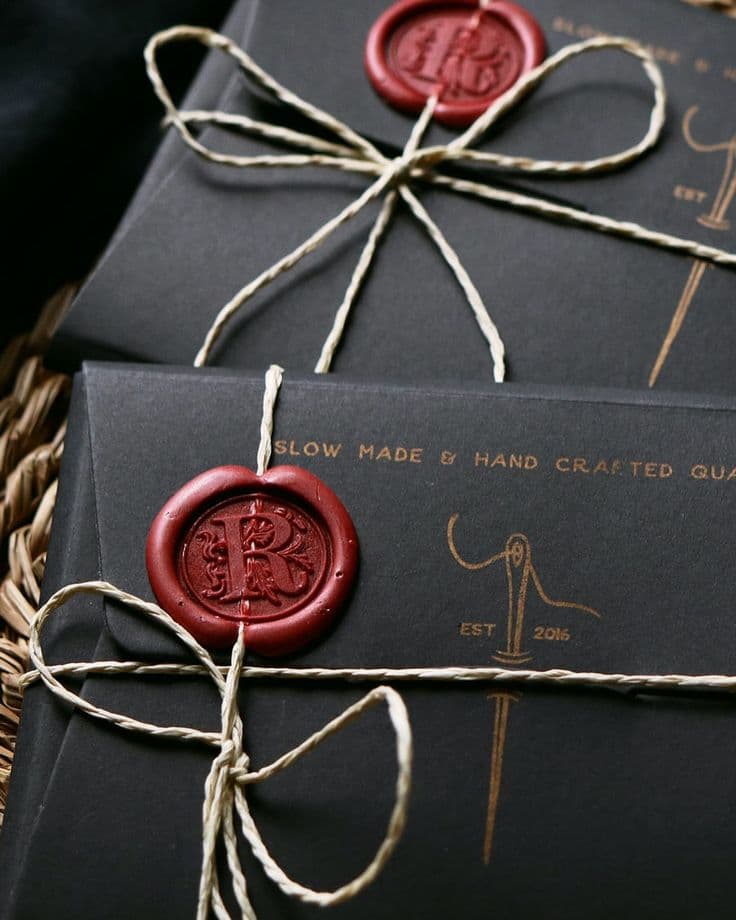 CEO & Leadership Recognition
Wax-Sealed CEO Letter Box
The note is the product
Related Articles

Insights · 8 min read
The True Cost of Generic Corporate Gifts
A cheap gift isn''t cheap if nobody remembers it. Here is the real maths behind generic corporate gifting — and why premium often costs less per impression.
14 Jun 2026
Insights · 6 min read
How a ₹800 Gift Saves a ₹8 Lakh Replacement Cost
The maths of retention is brutal and clear. Here is how a small, well-timed gift can prevent a very large, very avoidable cost.
25 May 2026
Insights · 8 min read
How Personalised Recognition Reduces Attrition by 31%
Recognition isn''t a soft perk — it''s a retention lever. Here is what the data says about personalised recognition and how to put it to work.
10 Jun 2026